
AFFORDABLE AIR HEATING & COOLING
Heat Pump Not Heating? What to Check First
Heat pumps are a great fit for Southern Ohio. They heat and cool with one system, and they’re far more efficient than electric resistance heat. But when the temperature drops into the 20s and the air from your vents feels lukewarm, it’s natural to wonder if something’s wrong.
Sometimes it is. Often, though, what feels like a problem is the heat pump doing exactly what it’s designed to do. This guide explains the difference, walks through what you can safely check, and covers when to call a technician.
First: what’s normal for a heat pump in winter
A lot of "heat pump not heating" calls turn out to be normal operation. Here’s what to expect.
The air feels warm, not hot
A furnace blows air that’s often 120 degrees or more. A heat pump typically delivers air around 90 to 100 degrees. That’s warmer than your body temperature, but it can feel cool on your hand, especially near a vent. A heat pump heats your home with a steady stream of warm air over longer run times, rather than short blasts of hot air.
It runs for long stretches
On cold days, a heat pump may run almost continuously. That’s normal and efficient. It’s designed to maintain temperature steadily rather than cycle on and off.
It goes into defrost mode
In cold, damp weather, frost builds up on the outdoor coil. Every so often, the heat pump reverses itself briefly to melt that frost. During defrost, you may notice:
- The outdoor fan stops
- Steam or vapor rising from the outdoor unit
- A whooshing sound when it switches modes
- Cooler air from the vents for a few minutes
A defrost cycle usually lasts a few minutes, and then normal heating resumes. A light coat of frost that comes and goes is fine. A solid block of ice that doesn’t clear is not.
Backup heat kicks on in very cold weather
Most heat pumps in our area have backup heat, either electric heat strips or a gas furnace in a dual-fuel setup. When it gets very cold, or when the system needs to catch up after a big temperature change, backup heat helps out. Your thermostat may show "Aux Heat" when this happens. That’s normal, but if Aux Heat is on constantly in mild weather, something may be off.
Quick checks you can do yourself
If your heat pump really isn’t keeping up, start with these safe checks.
Check the thermostat
Make sure it’s set to Heat and the setpoint is above the current room temperature. If the thermostat has a separate Emergency Heat setting, make sure it isn’t switched on by accident unless you mean to use it. Replace the batteries if the display is blank or dim.
A tip that saves money: with a heat pump, big setbacks can backfire. Turning the thermostat down 8 degrees at night and back up in the morning can trigger expensive backup heat to catch up. Smaller adjustments of 2 to 3 degrees usually work better.
Replace the air filter
A dirty filter restricts airflow, which reduces heating output and makes the system work harder. If the filter looks gray and clogged, replace it.
Clear the outdoor unit
Your outdoor unit needs to breathe in winter, too. Clear snow drifts, ice and leaves away from the sides and top. Make sure gutters or roof runoff aren’t dripping onto the unit, where the water can refreeze into a thick shell.
Never chip at ice with a shovel, screwdriver or ice pick. The coil fins and refrigerant lines are easy to puncture, and that turns a service call into a major repair. If the unit is encased in ice, turn the system off and call a technician.
Check the breakers
A heat pump often has more than one breaker: one for the outdoor unit, one for the air handler and sometimes one for backup heat strips. Check for any that have tripped. Reset once. If one trips again, leave it off and call for service.
Common reasons a heat pump stops heating
If the basics check out and the house still won’t warm up, these are the usual causes.
The outdoor coil is iced over
If the defrost cycle isn’t working, ice keeps building until the coil can’t pull heat from the outdoor air. A faulty defrost control board, a bad sensor or low refrigerant can all cause this.
Low refrigerant
A refrigerant leak reduces the system’s ability to move heat. You may notice weak heating, ice in odd places, or longer run times with less to show for it. A certified technician needs to find and fix the leak.
A stuck reversing valve
The reversing valve switches your heat pump between heating and cooling. If it sticks in cooling mode, the system will blow cool air no matter what the thermostat says. A technician can test the valve and its solenoid during a heat pump repair visit.
A failing capacitor or motor
Just like an air conditioner, a heat pump relies on capacitors and fan motors. If the outdoor unit hums but the fan won’t spin, or the system won’t start, a capacitor or motor may be failing.
Backup heat isn’t working
If it’s very cold and your house can’t keep up, your backup heat may have failed. Burned-out heat strips or a problem with the furnace in a dual-fuel system can leave the heat pump struggling alone on the coldest days.
The system is undersized or aging
A heat pump that’s too small for the home, or one that’s 12 to 15 years old or more, may simply not be able to keep up when temperatures drop. When it’s time for heat pump replacement, newer cold-climate heat pumps perform much better at low temperatures than older models.
When to call a technician
Call for service if you notice:
- Heavy ice on the outdoor unit that doesn’t clear after a defrost cycle
- Cold air from the vents for more than a few minutes at a time
- Grinding, rattling or screeching from either unit
- A breaker that trips again after you reset it
- The system running constantly while the house keeps getting colder
- Aux Heat staying on all the time in mild weather (often a sign your electric bill is about to jump)
Keep your heat pump ready for winter
Heat pumps work year-round, so they benefit from maintenance twice a year: once before cooling season and once before heating season. A tune-up checks the defrost controls, refrigerant level, electrical parts and coils before a cold snap finds the weak spot first.
Learn more about heat pump maintenance, or join our Comfort Club for annual tune-ups, priority service and 10% off repairs.
Frequently asked questions
Why is my heat pump blowing cold air?
It may be in defrost mode, which lasts a few minutes. If the cold air continues, check the thermostat setting and filter. Persistent cold air can point to a stuck reversing valve, low refrigerant or a failed component, so call a technician.
Is ice on my heat pump normal?
A light layer of frost that melts during defrost is normal. Thick ice that covers the coil, top or sides and doesn’t clear is not, and it needs service.
Do heat pumps work in Ohio winters?
Yes. Modern heat pumps heat effectively well below freezing, and backup heat covers the coldest stretches. Many homeowners in our area pair a heat pump with a gas furnace in a dual-fuel system. Our guide to heat pumps vs. furnaces covers the trade-offs.
Should I use emergency heat?
Only if the heat pump itself has failed and you’re waiting on service. Emergency heat runs backup heat alone, and if that’s electric heat, it’s expensive to run.
Heat pump trouble in Southern Ohio? Call Affordable Air
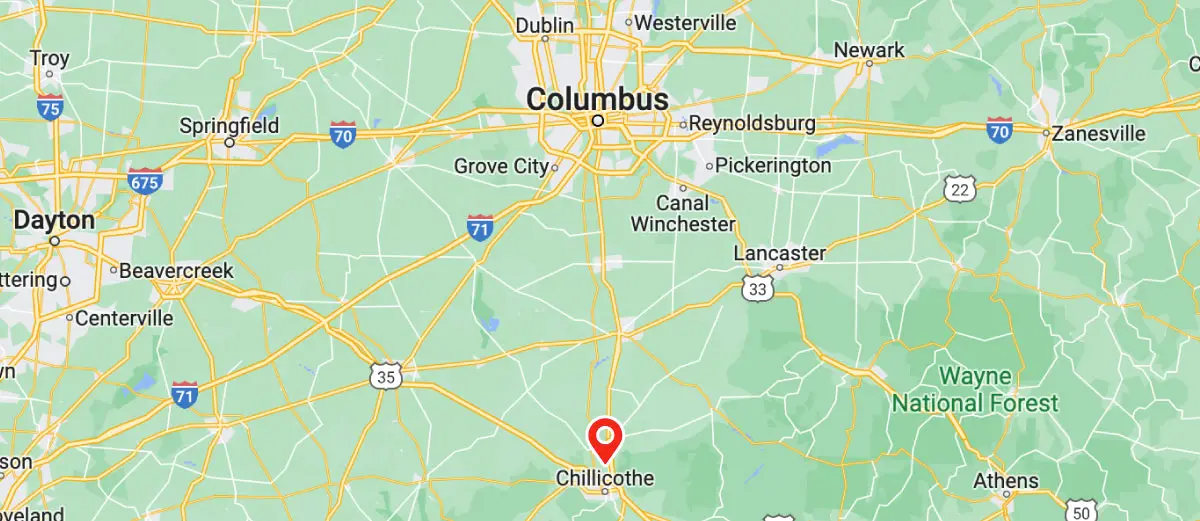
If your heat pump isn’t keeping your home warm, we’ll find the cause and explain your options plainly. Affordable Air has served Chillicothe and the surrounding counties since 2006.
Call (740) 779-0079 or request service online.
SERVICE AREA
Proudly serving Ross County, Scioto County, Pickaway County, Jackson County and the surrounding areas
LET’S MAKE YOUR HOME COMFORTABLE AGAIN
Tell us what’s
going on.
Need a repair, a replacement estimate or routine maintenance? Start here.
(740) 779-0079Prefer to text? (740) 273-8551
For urgent service, please call.