
AFFORDABLE AIR HEATING & COOLING
Heat Pump vs. Furnace for Ohio Winters
If you’re replacing your heating system in Southern Ohio, you’ll probably end up choosing between three options: a gas (or propane) furnace, a heat pump, or a dual-fuel system that combines the two.
Each one can be the right answer, depending on your home, your fuel options and how you weigh upfront cost against monthly bills. This guide compares them honestly for the way winters actually feel in Chillicothe and the surrounding counties.
How each system works
Furnaces create heat
A gas furnace burns natural gas or propane to create heat, then blows that warm air through your ductwork. Electric furnaces use heating elements instead. Furnaces only heat, so they’re paired with a separate central air conditioner for summer.
Heat pumps move heat
A heat pump doesn’t create heat. It moves it. In winter it pulls heat from the outdoor air, even cold air, and moves it inside. In summer it reverses and works like an air conditioner, moving heat out of your home. One system handles both seasons.
Because it moves heat rather than making it, a heat pump can deliver two to three times more heat energy than the electricity it uses in mild and moderate weather. That efficiency drops as it gets colder outside, which is why cold-weather performance matters so much in the comparison.
Dual-fuel systems use both
A dual-fuel system pairs a heat pump with a gas or propane furnace. The heat pump handles cooling and most of your heating. When outdoor temperatures drop below a set point where the furnace becomes the more economical choice, the system switches to the furnace automatically.
Side-by-side comparison
| Factor | Gas or propane furnace | Heat pump (with electric backup) | Dual-fuel |
|---|---|---|---|
| Heats and cools | Heat only (needs separate AC) | Both | Both |
| Warmth of air from vents | Hot, about 120°F or more | Warm, about 90 to 100°F | Warm, then hot when furnace runs |
| Mild-weather efficiency | Good | Excellent | Excellent |
| Very cold weather | Strong and steady | Relies more on backup heat | Furnace takes over |
| Fuel needed | Gas line or propane tank | Electricity only | Electricity plus gas or propane |
| Typical lifespan | 15 to 20 years | 12 to 15 years | 12 to 20 years by component |
How heat pumps handle Ohio winters
This is the question we hear most. Southern Ohio winters are moderate by Midwest standards, with plenty of days in the 30s and 40s and occasional cold snaps into the single digits.
Modern heat pumps heat effectively well below freezing. Newer cold-climate models with variable-speed compressors keep producing useful heat at much lower temperatures than older units. On the coldest days, backup heat fills the gap. With electric heat strips as backup, those cold days cost more to run. With a furnace as backup in a dual-fuel setup, the system simply switches fuels.
The practical takeaway: a heat pump will keep your home comfortable in a typical Southern Ohio winter. The question is mostly about cost on the coldest days and whether you prefer the feel of furnace heat.
Comfort: what it feels like
Furnaces deliver hot air in shorter cycles. Many people like that blast of heat on a cold morning.
Heat pumps deliver warm air over longer, steadier run times. The temperature in the house stays more even, with fewer swings, but the air from the vents feels cooler on your hand than furnace air does. Some homeowners love the steadiness. Others miss the hot air.
Dual-fuel systems give you heat pump comfort most of the year and furnace heat when it’s truly cold.
Operating costs
Which system is cheapest to run depends mostly on your local fuel prices.
- Natural gas available: gas furnaces are usually economical to run in cold weather. A heat pump is often cheaper in mild weather. That’s exactly why dual-fuel is so popular.
- Propane: propane is typically more expensive per unit of heat than natural gas. Many homeowners on propane see real savings by letting a heat pump handle as much of the heating as possible, with propane as backup.
- All-electric homes: if you heat with electric baseboard or an electric furnace, a heat pump is usually a big upgrade in efficiency and monthly cost.
Outside the city, many homes in Ross, Pike, Vinton and the surrounding counties don’t have natural gas service at all. For those homes, the choice is often between propane and a heat pump, and a heat pump with propane or electric backup can make a lot of sense.
Upfront cost
In general:
- Replacing a furnace alone is often the lowest upfront cost if your AC is still in good shape.
- Replacing an AC with a heat pump, while keeping a good furnace, creates a dual-fuel system and can be one of the most cost-effective upgrades available.
- Replacing both your furnace and AC with a heat pump and air handler, or a full dual-fuel system, is a larger investment.
See our guides on heat pump installation cost and AC replacement cost for more on what drives price. Affordable Air offers financing for all credit types, including 0% APR for 72 months, with approved credit. See financing.
Which is right for your home?
A furnace (plus AC) may be best if:
- You have natural gas service and a newer AC
- You strongly prefer hot air from the vents
- You want the lowest upfront replacement cost right now
A heat pump may be best if:
- Your home is all-electric or heats with baseboard or electric heat
- You’re replacing both heating and cooling at once
- You want one system for both seasons and steady, even comfort
Dual-fuel may be best if:
- You have a gas or propane furnace in good shape and your AC needs replacing
- You want the lowest possible operating cost across the whole year
- You’re on propane and want to reduce how much you burn
Not sure? That’s normal. The right answer depends on your fuel options, your existing equipment, your ductwork and your priorities. We’ll walk through it with you on a free estimate.
Frequently asked questions
Is a heat pump worth it in Ohio?
For many homes, yes, especially all-electric homes, homes on propane, and homes where the AC needs replacing and a furnace can serve as backup. Modern heat pumps handle Southern Ohio winters well.
At what temperature does a heat pump stop working?
Heat pumps don’t simply stop at one temperature. Their efficiency and output gradually decline as it gets colder. Cold-climate models keep producing heat at much lower temperatures than older units, and backup heat covers the coldest stretches.
Can I keep my furnace and add a heat pump?
Often, yes. Replacing your AC with a heat pump and keeping a furnace in good condition creates a dual-fuel system.
Which lasts longer?
Gas furnaces typically last 15 to 20 years. Heat pumps typically last 12 to 15 years because they run in both seasons. Regular maintenance extends both.
Talk it through with a local HVAC team
Affordable Air has installed furnaces, heat pumps and dual-fuel systems across Chillicothe and Southern Ohio since 2006. We’ll explain your options plainly and recommend what fits your home, not what’s most expensive.
Call (740) 779-0079 or request a free estimate.
SERVICE AREA
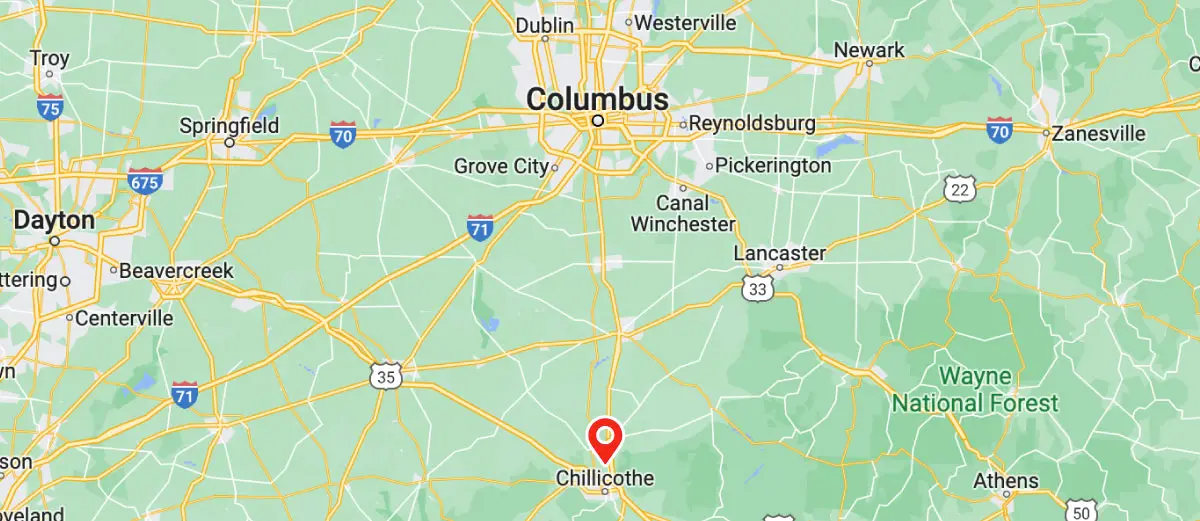
Proudly serving Ross County, Scioto County, Pickaway County, Jackson County and the surrounding areas
LET’S MAKE YOUR HOME COMFORTABLE AGAIN
Tell us what’s
going on.
Need a repair, a replacement estimate or routine maintenance? Start here.
(740) 779-0079Prefer to text? (740) 273-8551
For urgent service, please call.